3 Reasons to Publish to Your Paid Media

You can update your company’s blog or Facebook page with a few clicks. It happens all the time.

You can also update your company's ads almost as easily. That's because ads aren't files anymore; they're tags — dynamic creative containers. Yet publishing new ad content happens a lot less often. Why is that?

Although ad platforms have given advertisers direct access to be able to modify ads at any time without ever being locked-in to a specific creative, few companies make use of this amazing opportunity. We're still stuck thinking of ad tags like the static files which they replaced.

The future of online advertising is not static though. It's quite the opposite. Think for a minute — when was the last time you looked at something old online?

Below are the three ways brands can improve ad performance by publishing to paid media. Each strategy builds upon the one before, so I've listed them from least to most complex.

So, why are companies embracing paid media publishing?

Read More

8 Ideas for Content-Rich Ads

Image Credit: TheCulinaryGeek

For most brands, consumer-friendly content marketing is already part of your day-to-day.

You have seen the benefits of content marketing on your site for lead gen or moving consumers down the funnel. You spend time and budget authoring content and building an engaging social media presence.

Yet your paid advertising continues to be planned and executed in a traditional manner.

Do you secretly want to adopt a paid content strategy to transform your ads into a vehicle for immersive brand storytelling?

Below are some examples of small bites of content that can thrive in ads and generate engagement and interest:


1. Social posts and feeds 

Having a great-looking social media presence? Adding your Facebook or Twitter feeds to your ads is a great way to give new distribution to the content your social team puts so much effort into.

You may already advertise on social media. Why not advertise with social media?


2. Help and how-to-choose articles 

The same content that adds value to help shape consumer opinion on your site or blog can be helpful in an ad as well, as long as word count is short enough to fit in the format. Expandable ads or scrollable formating can be helpful for longer-form content.

Read More

Why the Ad Server Must Become a Content Management System

The display ad isn’t a file anymore. It’s a content container, bought real-estate for a brand’s message in front of a specific audience.

And the ad ecosystem has become unbelievably fluid. With just a few clicks, marketers can make rapid changes to audience, content and cost. So why are we still trafficking banners like it’s 2003?

It’s time display advertising follow in the footsteps of blogs and websites, and to do this, ad servers must become content management systems. This is a very powerful and necessary step in paid media.

Read More

Owned Media vs Earned Media vs Paid Media: Definitions

In the digital advertising and marketing industries, the terms owned media, earned media and paid media are becoming increasingly popular as the approach and potential outcomes of each of these content marketing segments are quite different. Each provides its own value but should ideally work synergistically, making the most efficient use of common campaigns and creative assets, and maximizing audience reach. Let’s start with some definitions:

  • Owned Media: placements on properties which you own and/or control. This can include your sites, landing pages, and microsites, hosted press releases, your blog, and your Twitter account and Facebook page (assuming these are monitored and moderated).
Read More

Don’t Tell Me You Don’t Have Enough Content

This dog needs more content.

At Flite we believe that content-rich ads have value.

Value for audiences because they entertain and inform. Value for advertisers because they get results. And value for publishers because doing the above provides an opportunity to grow ad revenue.

Yet a common complaint I hear from publishers is that their advertisers don’t have enough content for content-rich ads – that it’s hard to get extra brand assets.

Brands DO want to tell a more sophisticated story on top publisher sites. They believe in content marketing.

But their ad campaigns are planned around the remnant inventory bought through exchanges. They’re armed to the teeth with swfs. They claim they don’t have extra videos or piles of branded images lying around for a photo gallery.

Or maybe there are brand assets out there, but they’re not approved.

So somehow, we’re surprisingly light on content for ads.

But we’re looking in all the wrong places.

Read More

Pull Your Content Forward

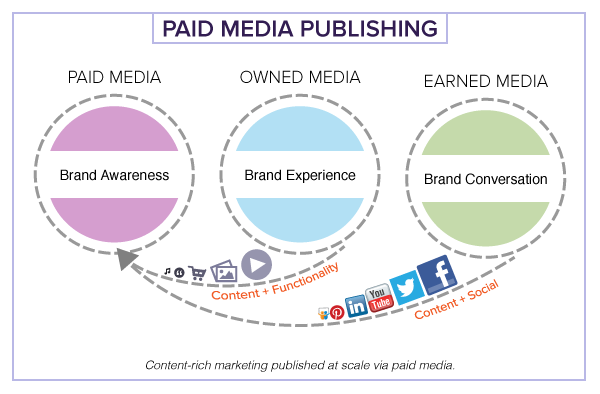
Technology is enabling brands to extend content marketing beyond what was traditionally possible. Paid media publishing creates an entirely new channel for brands to connect with customers in a meaningful way.

When you publish to paid media units, you pull your content forward.


Related Articles:


How Paid Media Publishing Shortens the Path to Brand Content

Flite is leading the charge in paid media publishing, leveraging the web in ways that make digital advertising truly unique from print and TV advertising. Publishing content into ads enables brands to utilize the real-time, dynamic nature of digital media to tell their stories.

A content-rich approach to “converged media” (paid, owned and earned media) engages audiences by adding value and relevance to their online experiences. Through publishing their brand assets to paid media, not just to their websites and social media, advertisers shorten the path to their strongest content.

Read More

This Commercial Made You Cry, Unless You Missed It

I want you to watch a commercial.

Months ago my fellow blog-contributor saw it as a Creativity Pick of the Day on AdAge and shared it. The commercial was so good it still sticks with me today.

On the afternoon I saw it for the first time I was enchanted. I loved it.

So I sent the link to my wife. She watched it, cried, and then watched it again. Then she sent it to her mom.

The story of how my mother-in-law got to watch a P&G ad is not unlike the story of any other brand marketing, where all too often a brand’s compelling content doesn’t get the eyes it deserves. The content plays its role in the media plan or gets dropped on to a website -- two perfectly wonderful outcomes -- but that’s where it ends.

Read More